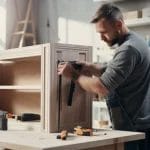



Preparing for Your Furniture Demo
Initiating a furniture demo requires careful preparation to ensure a systematic and efficient approach. The first step involves planning and organizing the demo space. This includes measuring the existing furniture to determine its dimensions in relation to the target area for the new pieces. Understanding the spatial constraints is vital as it not only guides your selection but also helps mitigate potential issues during the demo process.
Once the measurements are clear, it is crucial to select the appropriate tools and equipment needed for the demonstration. Power tools such as saws, drills, and extractors are often essential when dismantling large pieces, while hand tools like screwdrivers and hammers are useful for smaller components. Safety gear, including gloves, goggles, and masks, should never be overlooked, as ensuring personal protection is paramount during any furniture demo project.
Budgeting also plays a key role in the preparation phase. Consider the costs associated with tools, potential disposal of debris, and any materials needed for repairs or modifications. Sourcing materials from local suppliers or online markets can help in managing expenses and ensuring the necessary components are available when needed.
Another significant aspect of preparing for your furniture demo is ensuring safety in the workspace. Remove hazards such as tripping risks and ensure that the area is well-lit and free of clutter. Establishing a clear and organized workspace not only enhances efficiency but also minimizes the risk of accidents during the demo process. By adhering to these preparatory steps, you pave the way for a successful furniture demo, allowing the process to unfold smoothly and effectively.
Step-by-Step Process for a Successful Furniture Demo
Successfully executing a furniture demo requires careful planning and systematic techniques tailored to the specific items being dismantled. To begin, gather essential tools such as a screwdriver, hammer, pry bar, and safety gear. Wearing gloves and goggles is crucial for personal safety throughout the process.
Start with assessing the furniture piece. Identifying how it is constructed will determine the approach you take. For example, couches are typically held together with screws and staples, which can usually be removed with a screwdriver and a staple puller. Begin by removing any cushions and coverings to expose the framework beneath. Take note of the structure as you do, which will assist in reassembly or repurposing later.
Next, proceed to separate the couch frame. If it is joined with screws, carefully unscrew them, ensuring you store them in a labeled container for easy access later. If the construction involves dowels or glue, a pry bar may be necessary to gently dislodge these components. Make sure to take your time with this step to prevent any damage to reusable parts.
Moving on to tables, the process is similar. Start by removing any attached hardware and take apart the legs if applicable. For tables glued together, you might need to tap them gently with a hammer to break the bond without harming the surfaces. Document each step, particularly the arrangement of components, to assist with any future reassembly or upcycling projects.
Chairs are often straightforward; check for screws or bolts at joints, and carefully unscrew them. Chairs made of wood may also use dowels for assembly, which can be extracted using a hammer and a tap on the opposite side if necessary. Preserve wood parts for future projects or consider painting or reupholstering as an upcycling option.
Lastly, documenting your process through photos or videos can create engaging content for social media platforms. Sharing this transformation not only inspires others but can help in your journey to repurpose or upcycle the furniture materials effectively.