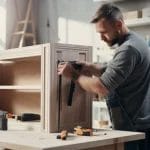



Preparation for Furniture Dismantling
Before embarking on a furniture dismantling project, a comprehensive preparation phase is crucial to ensure safety and efficiency. The first step involves assessing the furniture that needs to be disassembled. This includes examining the type of construction, the materials used, and any specific mechanisms or fasteners that may require special attention. Understanding these elements will enable you to approach the dismantling process with greater confidence and efficacy.
Next, it is essential to gather the necessary tools and safety equipment. Common tools required for dismantling furniture include screwdrivers, wrenches, pliers, and a hammer. Depending on the complexity of the furniture, a power drill or an electric screwdriver may also be beneficial. Safety equipment such as gloves, safety goggles, and a dust mask should not be overlooked, as they help protect against potential injuries and hazards during the dismantling process.
Creating a detailed plan outlining each step of the dismantling process is another critical aspect of preparation. This plan should indicate the order in which components will be removed and provide guidelines on how to document the assembly sequence. Taking photographs of the furniture before disassembly can also aid in the reassembly later on. Additionally, consider labeling parts and fasteners as they are removed to avoid confusion during the reassembly stage.
Emphasizing safety measures throughout this process is paramount. Make sure to work in a well-lit area and maintain a clutter-free workspace to minimize the risk of accidents. Being mindful of sharp edges and potential pinch points can further enhance safety. In summary, thorough preparation can greatly contribute to a successful and efficient furniture dismantling experience.
Techniques for Efficient Disassembly
Dismantling furniture can often appear daunting, particularly for beginners, but with the right techniques, it becomes a manageable task. The first step in the furniture disassembly process involves understanding the materials of the piece. For wooden furniture, it is essential to locate and remove fasteners thoughtfully, as excessive force may result in damage. Utilizing a soft mallet can assist in dislodging components without breaking delicate pieces. In situations where wood glue has been used, gentle heating can soften the adhesive, allowing for easier separation of parts.
When dealing with metal furniture, such as frames or desks, the same principles of caution apply. Metal components may include bolts or screws that have rusted over time. Applying a penetrating oil can significantly ease the disassembly process by loosening stubborn fasteners. Additionally, using a wrench with an appropriate size is important to avoid stripping the fastener heads, which could complicate removal. Employing proper leverage techniques is essential to ensure both safety and efficiency in the dismantling process.
For upholstered furniture, the approach varies significantly. It is crucial to carefully inspect the stitching and joinery before initiating the disassembly. Many upholstered items utilize staples to secure fabric to frames; thus, a staple remover or flathead screwdriver can be utilized to gently pry against the fabric, minimizing damage to the upholstery. It is also advisable to take pictures during disassembly. Documenting the positions of screws, hinges, or other fasteners will facilitate reassembly and ensure that no components are misplaced.
In conclusion, recognizing the specific needs of different materials—wood, metal, or upholstery—will enhance the efficiency of your dismantling efforts. By employing the aforementioned techniques, you can significantly reduce waste and increase the usability of the furniture components for future projects.